

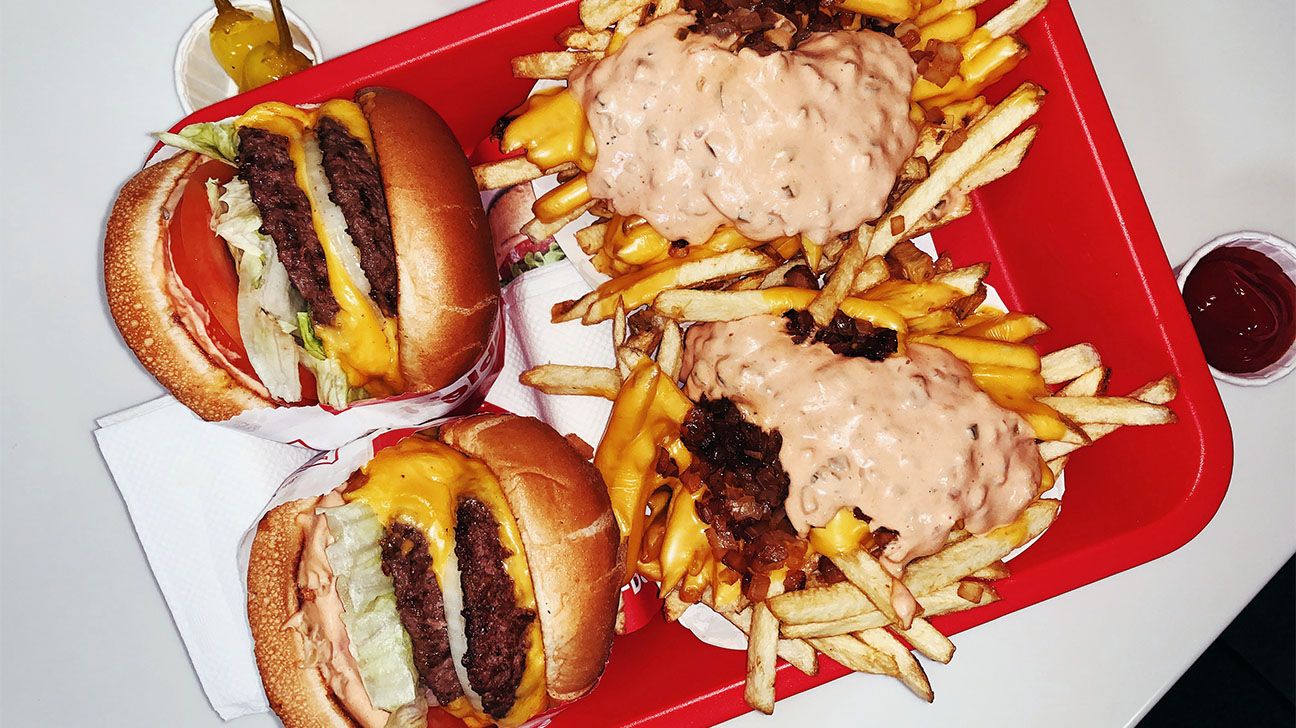
- One new analysis found that ultraprocessed foods (UPFs) may be as addictive as cigarettes.
- Scientists found that these foods are designed to heighten pleasure and speed up the absorption of rewarding ingredients.
- The habit-forming quality of such products implies they promote uncontrollable eating and interfere with natural hunger cues.
- Study contributors propose that ultraprocessed foods should be governed by policies akin to those for cigarettes.
Right now, there is no one universal definition of ultraprocessed foods. Certain experts classify them as products that include components you would not find in a domestic pantry, for instance stabilizers and artificial substances.
A lot of dietitians use the NOVA classification to classify ultraprocessed foods. This refers to products that are “formulations of components, mostly of manufacturing origin, usually made by a set of industrial techniques and methods.”
One new review released by The Millbank Quarterly proposed that ultraprocessed foods may be just as habit-forming as tobacco products.
“I concur with this research, as UPFs are deliberately designed to be extremely attractive to many consumers,” commented a bariatric surgeon not affiliated with the study.
A study from last year estimates that over 73% of the food supply in the United States is classified as ultraprocessed.
“Tobacco and UPFs are not simply whole foods but highly engineered delivery systems created purposely to maximize biological and psychological reinforcement and compulsive consumption,” noted the review’s authors.
Can UPFs Addictive?
The review combined data from addiction, historical health policy, and nutrition in order to highlight textural and compositional qualities that increase the reinforcing potential of both tobacco and UPFs.
“It’s not all people is ‘hooked’ to these foods, but for a meaningful minority, they elicit classic addiction-like patterns: intense desires, loss of control, and persistent consumption despite negative health effects,” commented a heart health nutrition expert.
“These products are deliberately engineered with processed carbohydrates, extra oils, salt, and flavor enhancers to optimize reward and ongoing intake, and the food sector employs persuasive advertising strategies, particularly targeting young people,” she stated.
The researchers analyzed five key areas:
- rapid absorption
- hedonic engineering, or designing foods to be extremely pleasurable
- perfecting the amount
- widespread availability
- misleading changes, or “health washing”
The study concluded that, similar to tobacco, UPFs are fine-tuned to provide the right dose of sweetness.
“Refined carbohydrates trigger dopamine release via the vagus nerve, whereas lipids achieve this via fat detection in the gut,” the authors noted.
“… Ultraprocessed foods with high levels of processed carbs and added fats are among the most potently rewarding foods in the contemporary food supply. Importantly this processed carb and fat mix is almost nonexistent in whole foods.”
How such products rapidly introduce “feel-good” substances to the brain makes them likely habit-forming, similarly to cigarettes.
The paper stated that while tobacco are engineered to deliver nicotine quickly, ultraprocessed foods are engineered to be broken down and absorbed quickly, as they typically have minimal fiber. This allows for the system to process fat and sugar more quickly.
The researchers also note that ultraprocessed foods provide deliberate flavor bursts that fade quickly and mouthfeels that dissolve easily. This collectively works to trigger more dopamine and encourages you to eat more.
‘Wellness Branding’ in Tobacco, UPFs
According to the analysis, both the cigarette and food sectors have historically employed a strategy known as “health washing.”
This refers to when goods are advertised and reformulated to create an illusion of reduced harm while preserving the core addictive properties.
Health washing in the tobacco industry became popular in the 1950s with the advent of filters on smokes.
These were marketed as safety features that would catch harmful substances prior to they entered the lungs. The truth is, filters offer little significant benefit.
Yet, people typically adjusted by taking bigger puffs or increasing consumption, which negated any reduction in toxin exposure.
The food industry has adopted a similar approach. It uses labels such as “reduced fat” or “no sugar added” to promote ultraprocessed foods.
Yet, these foods often retain the same highly reinforcing formulations. The issue is that these reformulations present a superficial appearance of wellness while the product’s habit-forming nature and health risks remain intact.
Ought Ultraprocessed Foods Be Regulated?
The authors stated at the end of their review that food and tobacco are not the same thing.
Nevertheless, they cautioned that some UPFs act like highly optimized consumables rather than real nourishment. They recommended that public health policy ought to acknowledge this reality.
“Tobacco provides a cautionary tale, and smoking regulations offers a source of hope,” the authors wrote.
Due to regulations, cigarette use rates in the US have declined and have “altered public perception of smoking and eroded trust in the sector.”
“It is my opinion increased education regarding the negative impact of ultra-processed foods is crucial to reduce public intake and enhance public health. The approaches used to curb cigarette use have been successful and could be a helpful model for ultra-processed foods as well,” commented one expert.
“It is not my view UPFs should be regulated precisely like tobacco, but they certainly deserve more robust, tobacco-inspired measures: advertising limits, clear front-of-package labeling, tighter standards on wellness assertions, and restrictions in schools or medical facilities,” added another nutrition professional.
The authors pointed out to people that lightly altered and unprocessed foods have sustained our well-being for millennia.


